
-
 مؤلف
مؤلف
- 24th سبتمبر 2026

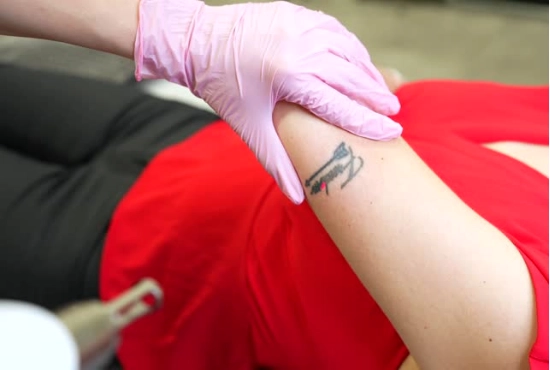
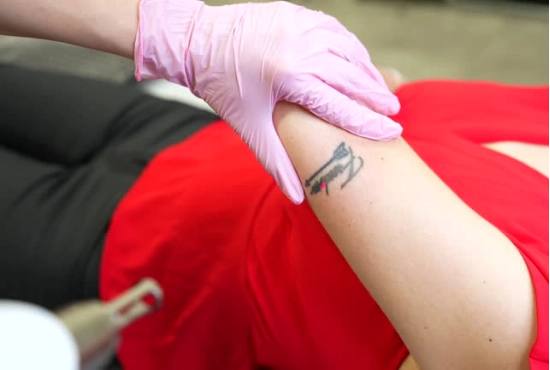
Tattoo ink is created to remain permanently within the skin. A picosecond laser machine utilizes incredibly brief pulses to focus on the ink. It then shatters that ink into much smaller particles.
This method is highly precise compared to just warming the skin. Moreover, the final outcome depends on the chosen wavelength, the specific pulse width, the applied energy, and the skill of the operator.
What Happens to Tattoo Ink During Picosecond Laser Treatment?
Tattoo ink sits at different depths in the dermis. Its particles are often too large for the body to remove efficiently. During treatment, the laser energy is absorbed by the pigment. A rapid pressure effect then fractures the ink into smaller pieces.
The area receiving treatment might display brief whitening, some redness, or light swelling. The skin requires adequate time to heal. Furthermore, the body needs time to eliminate the broken pigment. A thick, dark blue tattoo might react quite differently compared to a faded amateur drawing. Therefore, a single preset configuration should never be applied to every situation.
How Does a Picosecond Laser Machine Work?
Ultra Short Pulse Delivery
A picosecond equals one trillionth of a normal second. A picosecond laser emits energy in a remarkably short pulse. The main objective is to generate a powerful photomechanical or photoacoustic impact. This happens before any heat gets the chance to spread far into the nearby tissue.
This specific pulse profile aids in targeting the pigment very quickly. However, choosing the correct settings is always vital. Purchasers should carefully examine the pulse width along with the available energy range and the overall output stability.
Selective Absorption by Pigment
Various pigments take in different laser wavelengths. The laser needs to supply energy that aligns with the target pigment as perfectly as possible. The color of the tattoo, the depth of the pigment, and the current skin condition all guide this selection.
Having control over the spot size and the energy density assists the operator. It allows them to transition smoothly between intricate detail work and larger skin areas. This control also ensures the daily workflow is much easier to replicate.
Why Are 532nm and 1064nm Wavelengths Important?
Dual wavelength systems are useful because tattoos rarely contain only one type of pigment. A 532nm wavelength is commonly selected for more superficial pigment colors, depending on the clinical indication and device configuration. A 1064nm wavelength is commonly used for deeper or darker pigment targets.
Red, brown, purple, blue, and black pigments can behave differently. Two wavelength labels alone do not guarantee identical performance.
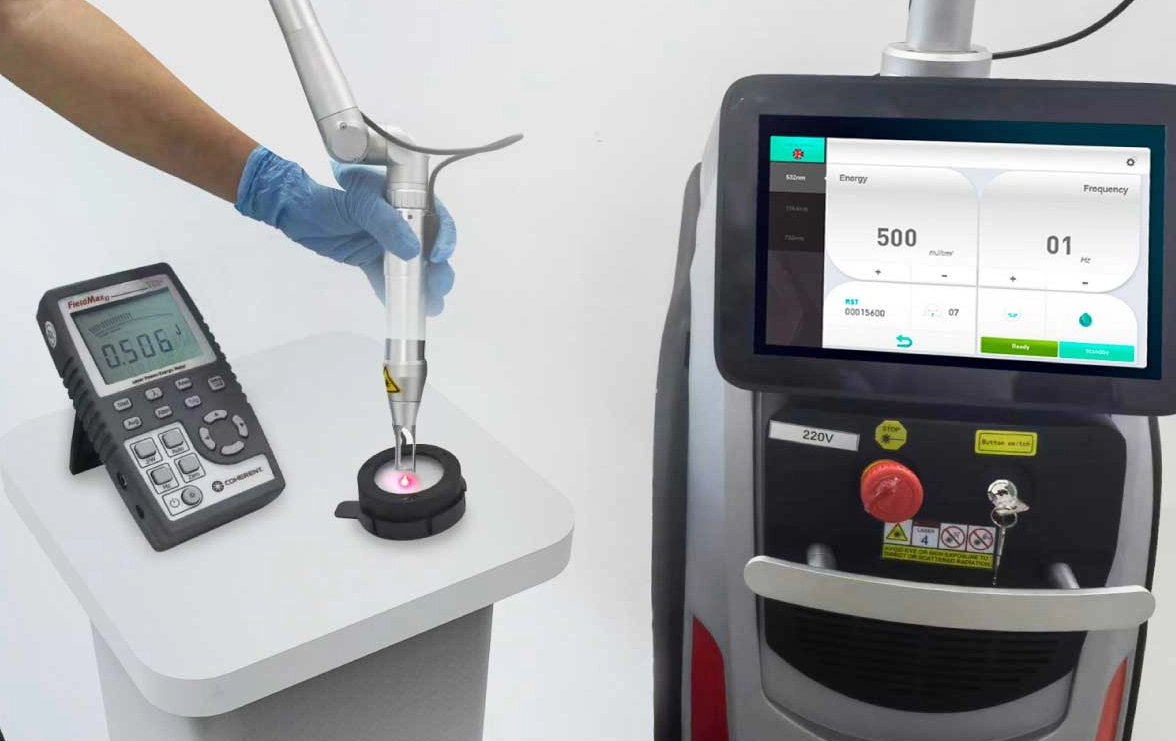
ال 350PS picosecond laser machine from Altolumen is listed with 532nm and 1064nm options. Its product information also includes adjustable spot sizes and several pulse width configurations. Those details matter when a clinic treats both tattoo ink and other pigment related indications.
What Is the Typical Picosecond Tattoo Removal Treatment Process?
A professional workflow follows the patient and the tattoo rather than a fixed preset.
- Consultation and skin assessment: The practitioner reviews the tattoo color, location, age, density, skin type, medical history, and previous treatments.
- Treatment planning: Wavelength, spot size, pulse settings, and energy are selected for the target area. A test spot may be appropriate when the response is uncertain.
- Laser application: The handpiece is moved across the tattoo in a controlled pattern. Skin response is monitored during the treatment.
- Post treatment care: The patient receives instructions for cleansing, sun protection, and follow up. The exact advice depends on the treatment response.
- Repeat sessions: The skin needs a recovery interval. The body also needs time to clear the fragmented pigment. Session timing should be set by a qualified professional under applicable local requirements.
A visible aiming beam, stable output, and a comfortable handpiece can reduce workflow friction.
What Factors Affect Tattoo Removal Results?
No machine can produce identical results for every tattoo. The main variables include:
- Ink color and chemical composition
- Pigment depth and density
- Tattoo age
- Skin characteristics
- Previous laser exposure
- Sun exposure and aftercare
A dense professional tattoo may need a different plan from a faded amateur design. This is why equipment should be judged beyond headline pulse duration. Stable output, repeatable controls, training, and technical support affect consistency.
Picosecond Laser Machine vs. Nanosecond Q-Switched Laser
Both technologies are used in pigment and tattoo related treatments. Their pulse profiles and operating approaches are different.
| Evaluation point | ليزر البيكو ثانية | Nanosecond Q-switched laser |
| Pulse duration | Ultra short picosecond pulses | Nanosecond pulses |
| Main energy effect | Strong photomechanical effect | Thermal and photomechanical effects |
| Pigment fragmentation | Designed to create smaller particles | Effective fragmentation with a different pulse profile |
| Buyer priority | Pulse flexibility and parameter control | Wavelength, output, and workflow |
| Best purchasing approach | Match the device to the clinic’s treatment range | Balance performance, configuration, and budget |
The better choice depends on the clinic’s service mix, budget, local regulations, and operator capability. A distributor may also need to consider how easily the platform can be positioned in different markets. Altolumen also offers a Q-switched Nd:YAG laser for buyers comparing pigment treatment platforms.
What Should Clinics Check Before Buying a Picosecond Laser Machine?
- Confirm the target applications and sales markets.
- Review wavelength and pulse width options.
- Check energy stability, spot size adjustment, and user controls.
- Request certification and regulatory documentation for the intended market.
- Ask about installation and operator training.
- Confirm warranty coverage, spare parts, and repair support.
- Review delivery capacity for standard and customized orders.
- Check whether private labeling, packaging changes, software adjustments, or prototype development are available.
- Request technical specifications before comparing prices.
Purchase price does not explain the full cost of ownership. Difficult servicing can interrupt appointments, so documentation and response time deserve attention.
Why Choose Altolumen for Picosecond Laser Equipment?
Altolumen develops and manufactures medical aesthetic equipment across several product lines. Its portfolio includes picosecond lasers, diode and Alexandrite hair removal systems, Q-switched Nd:YAG lasers, CO2 fractional lasers, skin treatment equipment, and body shaping machines.
The company supports OEM/ODM medical aesthetic equipment projects for brands and distributors. This can include product customization and private label development. Its manufacturing work covers product design, R&D, production, sales, and maintenance. International quality and certification requirements should be reviewed according to the specific model and destination market.
FAQs
Q: How many sessions are needed with a picosecond laser machine?
The number varies with tattoo color, pigment depth, density, skin type, treatment settings, and healing response. A qualified practitioner should assess the tattoo and set the treatment interval. A fixed session promise is not suitable for every case.
Q: Is picosecond tattoo removal suitable for every tattoo?
Picosecond systems can be used for many tattoo and pigment removal applications. Suitability still requires an assessment of the pigment, skin, treatment history, and local clinical requirements.
Q: What should distributors ask a picosecond laser manufacturer?
Ask about wavelengths, pulse settings, output stability, certifications, training, warranty, spare parts, delivery, and OEM/ODM support. Product documentation should match the market where the equipment will be sold.
خاتمة
A picosecond laser machine breaks tattoo pigment with ultra short pulses. Its practical value depends on more than the word “picosecond.” Wavelength flexibility, stable output, usable controls, documentation, and service support all shape the buying decision.
For product specifications, OEM/ODM requirements, or a tailored quotation, اتصل بـ Altolumen. The right configuration can then be discussed around the clinic’s applications and target market.
جدول المحتويات
فئات
أحدث المنشورات
How Does a Picosecond Laser Machine Treat Tattoos
كيف يجمع ليزر ألكسندريت Nd:YAG بين طولين موجيين

كيف يعالج جهاز إزالة الشعر بالليزر الألكسندريت الشعر الخشن؟
التعليمات
1. لماذا تختارنا؟
2. ما هي طريقة الدفع؟
3. متى سيتم تسليم البضائع؟
4. ماذا عن الضمان؟
5. ماذا عن خدمة التوصيل؟
6. هل لديكم دعم فني في الوقت المناسب؟
احصل على عرض سعر مجاني