
-
 autore
- 19th Novembre 2026
A client is halfway through a leg treatment and says the laser feels hotter than it did at the start. The handpiece may still feel cool to the operator. Is the cooling system failing, or is the client simply feeling the heat created during treatment?
Those are different questions. Diode laser equipment has to manage heat at the skin and inside the machine. For a busy salon, knowing which is which helps staff respond to discomfort, recognize an unusual change in equipment behavior and give technical support information it can actually use.
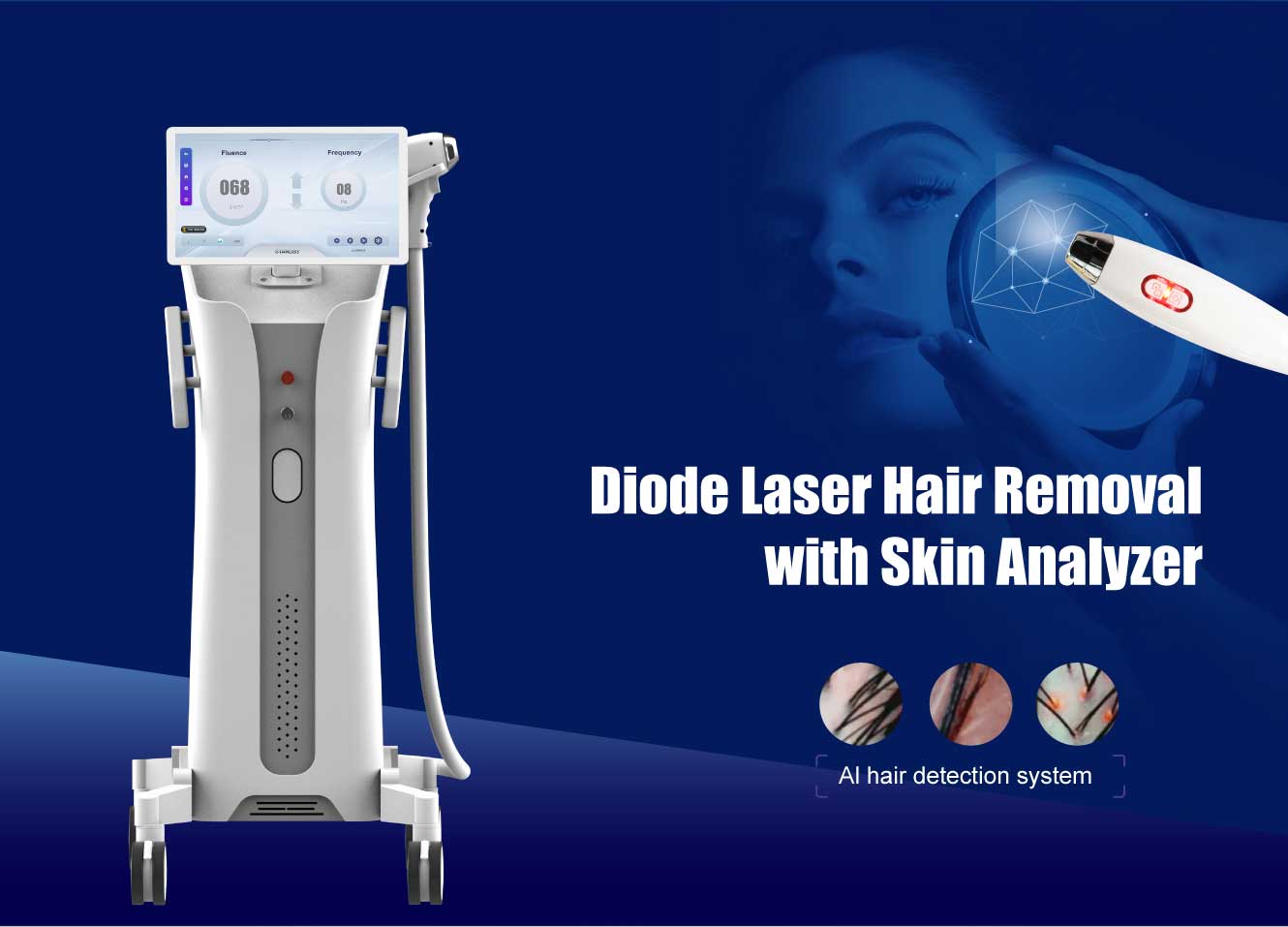
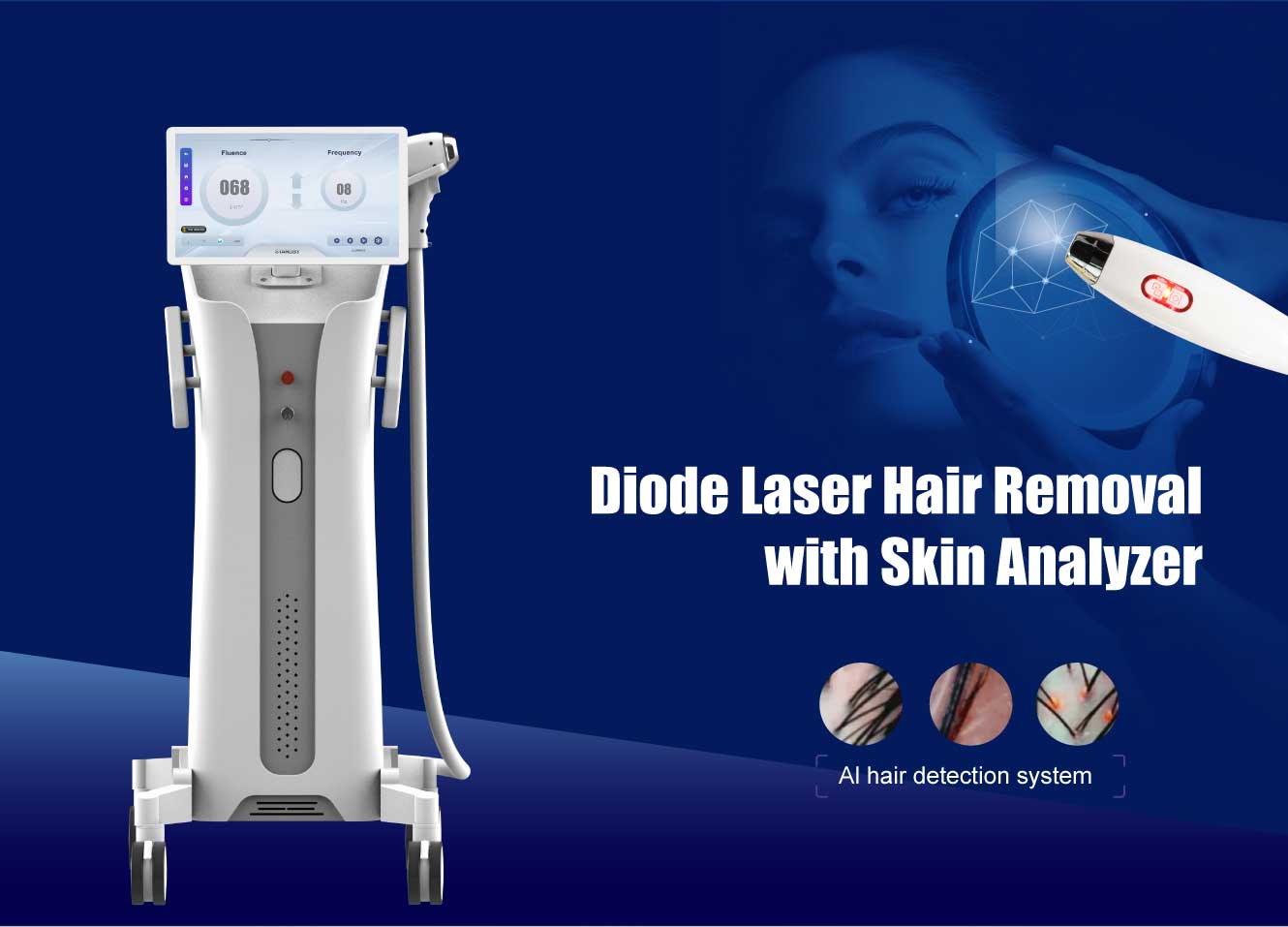
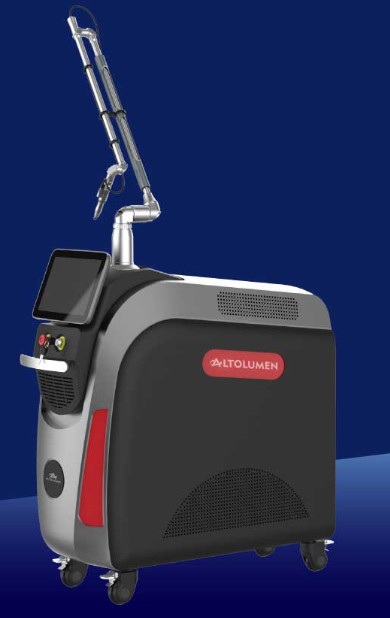
Altolumen DL-808S diode laser hair removal system shown on its official product page.
Why a client may still feel heat when the handpiece is cooled
Laser hair removal works by delivering light that is absorbed by pigment associated with the hair, creating heat in the target area. Skin-surface cooling helps manage heat at the upper skin layers and may improve comfort. It does not eliminate all sensation, because the laser is still delivering thermal energy.
This distinction is useful when a client asks why the handpiece feels cold but a pulse feels warm. The two sensations can occur together. A cool tip is not a test of treatment safety or proof that a particular energy setting is appropriate; skin assessment, the approved protocol and the operator’s training remain essential.
If a client reports unusual pain, a sudden change in sensation or a concerning skin response, the operator should pause and follow the clinic’s clinical and device procedures. It would be unsafe to dismiss the complaint as normal simply because cooling is switched on.
What the cooling system is doing while the machine runs
Inside a typical liquid-cooled diode laser, a pump circulates coolant through a system that removes heat from components during operation. Temperature-control hardware helps the circuit maintain its intended working range. A TEC, or thermoelectric cooler, uses electrical current to move heat from one side of a module to the other. The layout and control method depend on the model.
Altolumen’s DL-808S diode laser machine product page describes a Japan TEC cooling system that controls water temperature. It also describes cooling adjustment on a handpiece display linked to the main screen. These are published features of that model, not a guarantee of any particular running time or fault-free workload.
Why a short demonstration is different from a full working day
A two-minute start-up test tells staff that the device has reached an initial ready state. It does not reproduce the thermal load and working pattern of several appointments. That is why the timing of an unusual warning matters: a message at start-up and one that appears only after sustained use are different observations to report to service.
Neither observation identifies a failed component on its own. Without the model’s service instructions and error-code definitions, staff should not assume that an alert means a bad pump, low coolant or a faulty TEC module.
The word cooling can describe more than one technology
Contact cooling draws heat away through a cooled surface touching the skin. Other equipment may use airflow at the treatment area, while a water circuit and temperature-control components cool the machine internally. Some systems combine several approaches. They address related tasks, but they are not direct substitutes for one another.
For example, the DL-808S is described with interchangeable treatment tips and linked handpiece controls. Altolumen’s ALN12 diode laser platform is described with a non-contact handpiece arrangement and built-in DCS air cooling. Staff moving between models should therefore be trained on the exact handpiece and operating instructions rather than assume that every ‘ice diode’ system behaves the same way.
Four situations that deserve a different response
A simple way to avoid unnecessary guesswork is to describe what happened before deciding what might be wrong. The following observations are starting points for communication, not a fault-diagnosis chart.
If the screen shows normal status but a client reports warmth, do not immediately label it a cooling failure. Assess the client under the approved treatment protocol and pause for unusual discomfort.
If the handpiece feels different from previous sessions, note the change and inspect only what the operator manual allows. Touch alone cannot identify a faulty component.
If a cooling or temperature message appears before treatment, record its exact wording and do not start until the device instructions permit it.
If a warning appears only after extended operation, note that timing and stop as directed. The sequence helps qualified support investigate; it is not a diagnosis.
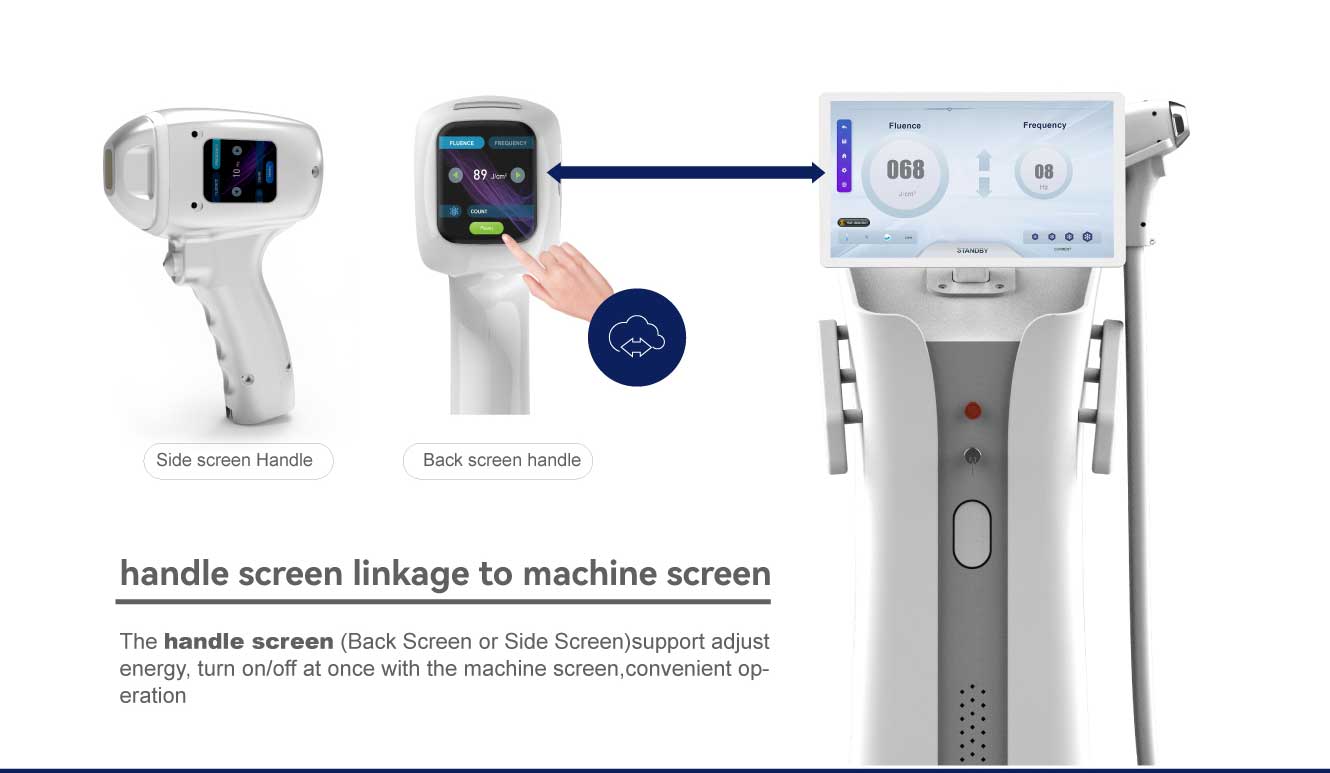
Altolumen product visual showing the DL-808S handpiece display linked to its main control screen.
What a useful support report looks like
A message saying ‘the machine gets hot’ gives a service engineer little to work with. A short, factual record is far more useful. It should include the model and serial number, the exact wording or photo of the warning, whether it happened at start-up or during treatment, which handpiece was connected, and whether the issue repeated after following the permitted restart procedure.
Also note ordinary operating conditions that may matter to the manufacturer: whether ventilation openings were blocked, whether the room was unusually warm, and when authorized maintenance was last performed. Record observations only; do not open the casing, bypass a protection function or attempt to adjust a coolant circuit without approved instructions. Keep client-identifying information out of equipment fault photos.
Example of the difference
Weak report: ‘The cooling stopped working today.’ Better report: ‘DL-808S, serial number recorded separately; the screen displayed the exact cooling warning after the second appointment. The message did not appear during morning start-up. The operator stopped use and photographed the display.’ This hypothetical report does not diagnose the failure, but it gives technical support a clear event sequence.
A practical routine before and during appointments
Before the first client
Complete the start-up checks specified for the particular device. Confirm that the screen shows the required ready status, inspect the visible handpiece and treatment surface for damage or residue, and keep the ventilation area clear. Check any user-accessible coolant indicator only if the manual instructs operators to do so. Do not invent a daily refill procedure for a sealed cooling system.
Between appointments
Follow the manufacturer’s cleaning and disinfection instructions for the treatment tip. Pay attention to repeated warnings or changes in the normal operating behavior. A note in the maintenance log can prevent the next therapist from discovering the same problem while a client is already on the treatment bed.
When something changes during treatment
Prioritize the client and pause when the treatment protocol or equipment warning calls for it. Do not respond to unusual warmth by simply increasing cooling or continuing at the same settings. The appropriate clinical response and the technical investigation are separate tasks; both require the correct training.
Where Altolumen’s technical support fits in
Altolumen lists training, maintenance, replacement parts and technical assistance under its servizio post-vendita. A salon’s first step should still be the manual and support arrangements supplied with its actual machine, since maintenance access, warranty terms and fault procedures can vary.
The broader Altolumen diode laser product range also shows why model identification is important. A cooling question about a DL-808S handpiece should not be answered automatically with operating advice intended for the ALN12.
Frequently asked questions
Does a cooled handpiece make diode laser hair removal painless?
No cooling method can guarantee a sensation-free session. Cooling can support comfort and skin-surface temperature management, but treatment sensations and appropriate settings still require professional assessment.
Does a temperature warning always mean the water pump has failed?
No. The warning text and the model-specific service documentation are needed before a cause can be determined. Record the event and follow authorized service instructions.
Can salon staff repair a cooling system themselves?
Only perform operator-level checks explicitly permitted by the manual. Internal electrical, optical and coolant-system work belongs with trained, authorized personnel.
The takeaway for salon teams
Cooling is not just a feature to mention during a sales demonstration. It influences how clients experience treatment and how staff operate, observe and support the machine throughout a working day. The most useful skill is distinguishing normal treatment heat from a meaningful change in equipment behavior, then responding within the clinic’s training and the manufacturer’s instructions.
Sommario
Categorie
Articoli recenti
How Cooling Works in a Diode Laser Hair Removal Machine
Diode Laser Machine Procurement From RFQ to Acceptance
FAQ
1. Perché scegliere noi?
2. Qual è il metodo di pagamento?
3. Quando verrà consegnata la merce?
4. E per quanto riguarda la garanzia?
5. E per quanto riguarda la consegna?
6. Offrite un supporto tecnico tempestivo?
Richiedi un preventivo gratuito