
-
 author
- 29th October 2026
Buying a diode laser machine is a capital purchase. A clinic is buying a defined configuration, a set of records and a support commitment. Those elements need to agree before the order is placed. If the quotation, specification, packing list and delivered unit are controlled by different descriptions, the buyer may not know what the price actually includes or what can be checked at acceptance.
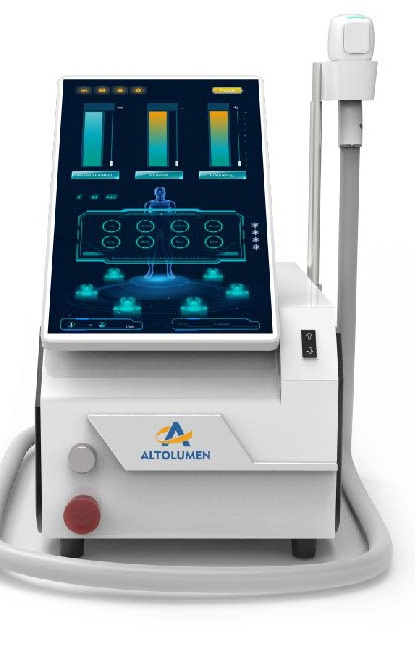
A sound buying process follows the order in which the work happens: define the clinic’s requirements, issue a comparable request for quotation, confirm the configuration during a demonstration, and accept and service the serialised unit against written records. This approach is useful for clinic owners, aesthetic directors, distributors and OEM/ODM buyers.
1. Start with a short purchase brief
Before asking a supplier to recommend a model, describe the work the device must support. A one-page brief should cover the planned services and treatment areas, normal and peak appointment volume, expected daily operating time, number of operators, room size, movement route, power supply, ventilation and country of use.
State the buying context as well. A clinic buying for its own rooms will ask different questions from a distributor buying a demonstration unit. An OEM/ODM project may require a logo, nameplate, interface language, packaging, prototype approval and a batch-consistency check. Give each item its own line, deliverable and approval date. “OEM available” is too vague to price or accept.
Separate mandatory items from options. That gives suppliers a clear basis for recommendation and lets the purchasing team compare like with like.
2. Make the quotation identify one exact delivery
A quotation that says only “one diode laser machine, one set, total price” is not enough. Ask the supplier to identify the full model, hardware revision or revision number, quotation date and configuration covered by the price. The same document should show what is included, what is optional and what is excluded.
| Quotation line | Detail to confirm |
| Device identity | Full model, revision number, quotation date and serial-number or batch rule |
| Technical configuration | Wavelength, energy range, pulse settings, spot sizes, handpiece and cooling method |
| Included items | Exact tips, handpieces, footswitch, cables, software, keys and consumables |
| Software and language | Software revision, interface language, permissions and any customization |
| Services | Installation, commissioning, training, remote support, field service, spare parts and response time |
| Delivery terms | Packing, transport, insurance, delivery point, lead time, acceptance and payment milestones |
| Exclusions | Any tip, cooling part, consumable, market document or service priced separately |
If different documents use different weights, cooling descriptions or configuration details, the buyer should ask the supplier which dated revision controls the offer. A change to the handpiece, cooling system or software before shipment should trigger a revised configuration and a clear statement of any effect on price or lead time.
It is also useful to agree a document hierarchy in the purchase order. A signed versioned specification and packing list can control acceptance, while a general sales page can describe the product range. Both sides then have the same reference if a question arises.
3. Compare the data sheet with the packing list
The data sheet describes the configuration. The packing list confirms what this shipment contains. They answer different questions.
The data sheet should give the actual wavelengths, energy and pulse parameters, spot sizes, handpiece, cooling system, software revision and electrical requirements. It should distinguish standard configuration, optional configuration and items included in this quotation. If a parameter is shown only as a range, ask which value applies to the quoted unit.
Product materials may list several treatment tips, software languages or accessory quantities as available options. That does not prove that every option is included in the order. The packing list should name each treatment tip and quantity supplied. An excluded tip should have its own price and lead time. Apply the same rule to cooling parts, footswitches, software language and training materials. Anything that affects installation, daily operation or maintenance belongs in the quotation or order file rather than in a sales chat.
4. Use the demonstration as an acceptance test
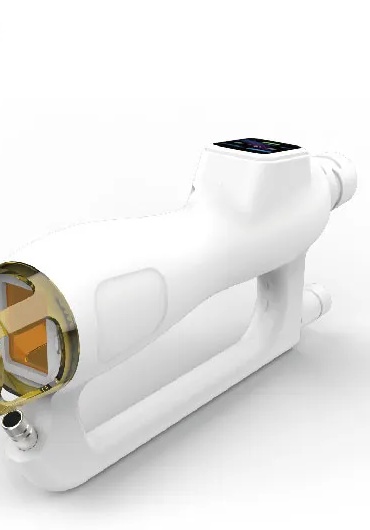
A brochure can show the shape of a treatment handpiece. It cannot prove that the cable reaches the treatment bed, that the operator can read the screen from the working position or that a quoted accessory is present on the demonstration unit.
Give the demonstration a written checklist. Verify the equipment label, model and demonstration serial number. Place the main unit and treatment bed as they will be arranged in the clinic, then check the movement route and cable reach. Ask the intended operator to change a treatment tip and record the steps and any tools required. Read the screen from the normal operator position. Ask the presenter to open and explain the cooling components. Record the software language, alarm prompts, parameter-saving method and training scope. Put any item that cannot be checked into an open-document list instead of treating it as accepted.
During a remote demonstration, the model label, main accessories and interface should be visible. A handling video shows how the unit is operated. It does not establish treatment outcomes and it does not replace a test report linked to the serial number of the delivered device. Keep the date, participants, serial number and unresolved questions with the quotation.
5. Link the quality file to the serial number
“Factory tested” is a starting statement, not a traceability record. A buyer should ask which records will accompany the shipment and which remain internal. The requested file can cover incoming inspection, assembly, aging, performance calibration, safety checks and final inspection, provided the records are connected to the unit being shipped.
The shipment file should identify the device model, revision and serial number; test dates and test items; the instruments or methods used; the limits used to judge the results; and any rework or pre-shipment corrective action. It should also connect the report to the shipping batch, packing list and final acceptance owner.
A photograph of an energy reading shows one reading at one time. It says little about another unit. Keep a dated report that can be matched to the delivered serial number, then file it with the packing list, installation record, maintenance history and warranty papers.
6. Check certificate scope and service responsibility
When a sales sheet shows CE, MDR, FDA, TUV or ISO 13485, ask what the document actually covers. Check the manufacturer, model or product family, expiry date, issuing organisation and destination market.
ISO 13485 describes a quality management system. It does not, by itself, confirm the wavelength, power, cooling arrangement or market access of a particular machine. A certification mark can start the review; the importer or regulatory adviser still needs the underlying documents for the target country and must confirm that the model matches the quotation.
The service contract should answer a practical question: what happens when the unit stops during a clinic day? Get the contact route, response time, remote diagnosis, field-service conditions, spare-parts lead time, operator training, warranty period, exclusions and downtime handling in writing. An unwritten service promise is difficult to enforce after delivery.
For OEM/ODM, add separate approval points for artwork, nameplate, interface language, packaging, prototype and batch consistency. The supplier’s service page can explain the general workflow; the purchase order should record the approved revision, dates and deliverables.
7. Turn technical information into buying questions
A procurement review does not need to rank models as “best” or “worst.” It should turn each important point in the supplier’s materials into a question that can be answered and closed.
| Information to review | Question for the RFQ |
| Device positioning and use case | Does the positioning fit the destination market, clinic workflow and room conditions? |
| Wavelength, energy and pulse parameters | What exact values apply to this quotation? Which are standard and which are optional? |
| Treatment tips and spot sizes | Which sizes and quantities are in the packing list? What are the price and lead time for excluded options? |
| Cooling system | Does the cooling method match across the quotation, data sheet and demonstration unit? |
| Software and interface language | Are the software revision, language, upgrade method and training scope written into the order? |
| Certificates and market documents | Which model and market do the documents cover, and do they match this quotation? |
| Service and spare parts | What are the service route, response time, spare-parts lead time and warranty exclusions? |
This keeps the discussion around the delivery scope, document responsibility and operating conditions instead of a vague comparison of larger numbers.
8. Keep the RFQ and acceptance file together
A traceable procurement file should contain the purchase brief, quotation and dated data sheet, clarification log, demonstration or sample record, purchase order, packing list, serial-linked test report, destination-market documents, arrival acceptance sheet and service or warranty file.
When sending the enquiry, attach the brief and ask suppliers to complete the same response table. Request the recommended model and revision, standard and optional configuration, included accessories, lead time, installation and training, warranty scope, service response time and market documents. Compare total delivered cost only after those items line up. A low base-unit price can change substantially once tips, cooling, installation, training, spares and service are added.
Conclusion: align the records before comparing prices
The purchase decision should rest on a defined need, a locked revision, an order that names the configuration, testing that can be traced to the serial number and a service commitment that covers downtime. A product headline, promotional image or single wattage number cannot provide that control.
The supplier’s diode laser range and OEM/ODM service page can help a buyer understand available options and the general service process. Before placing the order, ask for the dated revision, included-parts list, destination-market documents and acceptance records that correspond to the quoted unit. Once those records agree, the price comparison is meaningful because the buyer is comparing the same delivery scope.
Frequently Asked Questions
What should a clinic ask for first?
Ask for a dated, versioned data sheet and require it to match the quotation, accessory list and delivered unit. Resolve any disagreement about weight, cooling or another configuration item before discussing price or lead time.
Does a brochure listing several treatment tips mean they are all included?
No. The brochure may describe the available range. The quotation and packing list should state the exact sizes, quantities and prices included in this order. Any excluded tip should have its own price and lead time.
Why must a test report carry the serial number?
The serial number, test date and shipping batch connect the result to the unit delivered to the clinic. An unlinked reading photograph shows that a result existed; it does not show that the delivered machine completed the same test.
Table of Contents
Categories
Recent Posts
Diode Laser Machine Procurement From RFQ to Acceptance
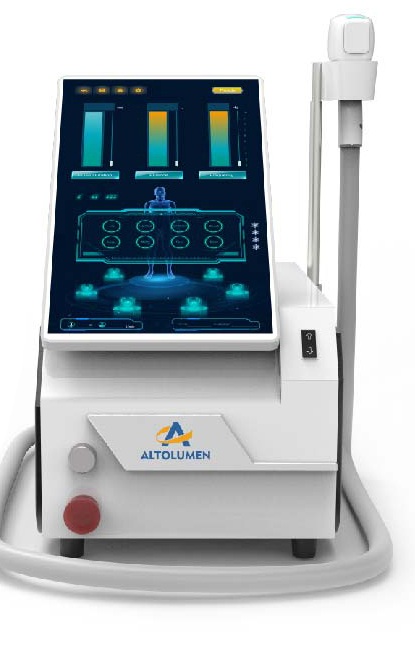
What Affects Diode Laser Hair Removal Machine Price for Salons?
FAQ
1. Why choose us ?
2. What is the payment method ?
3. When will the goods be delivered ?
4. What about the warranty?
5. How about delivery?
6. Do you have timely technical support?
Get a Free Quote