
-
 author
- 4th September 2026

A clinic may ask for a flexible light-based platform. A distributor may need a dedicated hair removal product that can anchor an entire category. Those are different buying decisions, even when both conversations begin with the same question: diode or IPL?
The difference is not just technical. It affects positioning, operator workflow, support needs, and the kind of customer a business can serve. For professional buyers, choosing a diode hair removal machine is usually about building depth in one high demand treatment category. IPL often takes a broader route.
Diode Hair Removal Machine vs. IPL: The Fundamental Technology Difference
The technologies sit in the same aesthetic market, but they deliver light in different ways. That changes how a device is presented, configured, and used in a professional setting.
How a Diode Hair Removal Machine Works
A diode hair removal machine uses laser energy at a selected wavelength to target melanin in the hair follicle. The delivery is more focused than broad spectrum light. In practice, this makes diode platforms a common choice for businesses that want hair removal to be a central service rather than an added option.
Treatment parameters, cooling performance, handpiece design, and pulse control all matter. A machine that looks strong on a specification sheet can still create friction in daily use if the interface is slow or the handpiece becomes uncomfortable during a busy afternoon.
How IPL Works
IPL, or intense pulsed light, uses broad spectrum light. Filters help shape the output for different treatment purposes. It is not a laser.
That flexibility is attractive to some buyers. A small aesthetic studio may want one platform that supports several light-based services. The trade off is focus. IPL is often positioned as a multi-application system, while a diode platform is built around a more dedicated hair removal workflow.
Key Differences Between a Diode Hair Removal Machine and IPL
| Comparison Factor | Diode Hair Removal Machine | IPL System |
| Energy type | Laser-based, targeted wavelength | Broad spectrum pulsed light |
| Primary positioning | Dedicated professional hair removal | Multi-application light-based treatments |
| Treatment workflow | Often optimized for hair removal protocols | May require different filters/settings by application |
| Buyer profile | Clinics, chains, specialists, distributors | Businesses seeking broader treatment menus |
| Investment decision | Depth in a core treatment category | Flexibility across selected indications |
The right comparison is not “which device is better?” It is “which device fits the business being built?” A chain clinic in Dubai will not evaluate equipment the same way as a new distributor entering South America with a private label brand.
Treatment Focus and Business Positioning
A diode laser hair removal machine is usually easier to position when clients already understand laser hair removal and expect a specialized service. The sales message is direct. This is a professional system designed for hair removal applications.
IPL can make sense when a business wants a broader treatment menu. It may be used as part of a package that includes selected skin-focused light treatments, subject to the device configuration and local requirements.
One distributor sees this often: salons may ask for “everything in one machine” at the start. After demand grows, their higher volume accounts usually begin asking for a dedicated hair removal platform.
Applicator Design, Usability, and Workflow
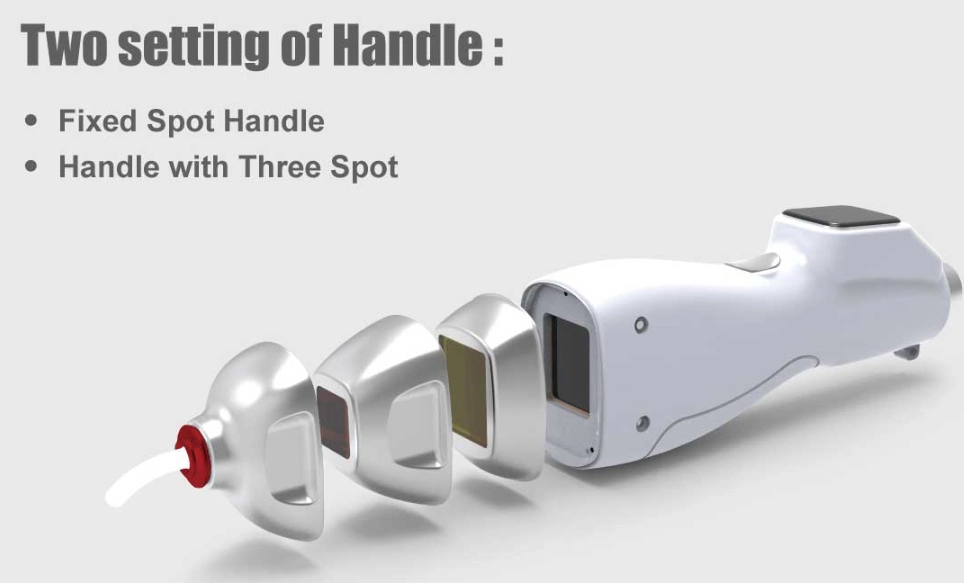
The device is only part of the working environment. Operators care about the details that appear after the first week: cooling consistency, screen response, cable management, preset access, and how the handpiece feels after repeated treatments.
A diode system should support a stable, repeatable workflow for trained operators. IPL systems may require filter changes or different setup choices when switching between applications. Neither approach is automatically difficult. The real question is how much variation the business wants to manage.
Cost Structure and Return on Investment
Purchase price matters. It should not dominate the decision.
A lower cost platform can become expensive when service response is weak, replacement parts are difficult to source, or training does not match the local market. A dedicated diode hair removal machine may have a clearer revenue model for clinics that sell hair removal packages all year.
IPL may offer a wider starting point for businesses with limited equipment budgets. Still, ROI depends on treatment volume, local pricing, staff capability, and machine uptime. There is no universal payback period worth trusting without those numbers.
Which Technology Is Better for Different Aesthetic Businesses?
The strongest choice follows the treatment strategy. It should also reflect the level of support a buyer can provide after installation.
When a Diode Hair Removal Machine May Be the Better Choice
A diode platform may be the better fit for clinics with steady demand for hair removal. It also suits chain operators that need consistent workflows across locations.
For distributors, a dedicated system can create a clearer product story. It is easier to train sales teams around a defined use case. It can also be easier to build service materials, promotional content, and a focused lead generation funnel.
When IPL May Be a Better Fit
IPL may suit new clinics that want to test several service categories before investing in specialized equipment. It can also work for operators who want to offer selected light-based applications from one platform.
This route needs disciplined expectation setting. A versatile machine is not a substitute for a treatment strategy.
The Decision Should Match Your Market
Local demand should guide the purchase. So should regulations, pricing pressure, operator experience, and the availability of after sales service.
A clinic serving repeat hair removal clients may value specialization. A start up studio may value flexibility. Both can be rational decisions.
What to Evaluate Before Buying a Diode Hair Removal Machine
Before comparing quotations, buyers should define what happens after delivery. Installation is the beginning of the commercial relationship, not the end.
Checklist:
- Target treatment market and expected client volume
- Device configuration and adjustable treatment parameters
- Cooling, handpiece durability, and operator ergonomics
- Training materials and clinical use guidance
- Documentation required for the destination market
- Warranty, spare parts, remote support, and maintenance process
- Branding, housing, UI, packaging, and customization needs for private label projects
Choosing a B2B Manufacturing Partner for Hair Removal Equipment
Technology alone does not make a reliable product line. Buyers also need a manufacturer that can communicate clearly through configuration, production, delivery, and post sale support.
Altolumen serves the professional aesthetic equipment market with products for hair removal, skin treatment, pigment and tattoo related applications, and body contouring. For distributors and aesthetic brands, its self owned brand export and OEM/ODM capabilities create two workable paths: sell an established product line or develop a differentiated private label offering.
The better path depends on the market. Some partners need speed. Others need a product that looks and feels like their own brand.
FAQs About Diode Hair Removal Machines and IPL
Q: Is a diode hair removal machine the same as IPL?
No. A diode hair removal machine is laser based and uses a selected wavelength. IPL uses broad spectrum pulsed light with filters that shape the treatment output.
Q: Can a clinic offer both diode hair removal and IPL?
Yes, provided the clinic’s treatment strategy, staff training, equipment configuration, and local regulatory obligations support both platforms. Some businesses use IPL for breadth and diode systems for dedicated hair removal demand.
Q: What should distributors ask a manufacturer before placing an order?
Ask about configuration options, quality documentation, training, warranty, service parts, production lead times, and OEM/ODM scope. The answers often reveal more than a price list.
Find the Right Hair Removal Platform for Your Market
A diode hair removal machine may be the right foundation for a focused professional hair-removal business. IPL may be a useful addition for a broader aesthetic menu.
Altolumen can help distributors, clinics, and private-label brands assess the equipment path that fits their market. Request product specifications or discuss an OEM/ODM hair-removal equipment project.
Table of Contents
Categories
Recent Posts
How to Compare CO2 Fractional Laser Machine Factories?

How Does an Nd:YAG Laser Hair Removal Machine Treat Dark Hair?
How Does a Picosecond Laser Tattoo Removal Machine Break Down Ink?
FAQ
1. Why choose us ?
2. What is the payment method ?
3. When will the goods be delivered ?
4. What about the warranty?
5. How about delivery?
6. Do you have timely technical support?
Get a Free Quote