
-
 autor
- 26th listopad 2026
A client calls on Monday: “I have a family event this weekend. Can I book fractional CO2 laser resurfacing for Tuesday and look normal by Saturday?” A receptionist can see an open appointment, but the calendar cannot answer that question. Healing depends on the procedure, the person receiving it and the clinician’s assessment. Promising a fixed recovery date can leave both the client and the clinic in a difficult position.
For clinics offering resurfacing services, downtime is a communication and scheduling issue as much as a clinical one. It affects consent, work and social plans, post-treatment calls and the timing of follow-up visits. The useful goal is not to quote a single number of days. It is to make sure the client understands what recovery may involve and knows whom to contact if something changes.
“Downtime” Means More Than One Thing
A person may be ready to take a work call before the treated skin has finished healing. Another may feel comfortable at home while still having redness or a changing skin surface. Clinics should distinguish three questions: When will visible swelling, peeling or crusting be manageable? When will the skin have recovered sufficiently for everyday products and activities? And when might residual redness or discoloration settle? These are related but not identical milestones.
Medical references describe fractional CO2 recovery as variable. An NCBI clinical review discusses approximately 4–10 days for many fractional CO2 cases, while Mayo Clinic notes that skin recovery after ablative resurfacing depends on the treatment and can extend considerably beyond the initial healing stage. Neither source provides a guarantee for an individual appointment. Treatment intensity, skin characteristics and medical history all matter.
Altolumen’s CO2 product information also gives a general 7–10 day recovery description. Clinics should treat that as a broad product-page statement, not a commitment to every client. Patient-specific advice belongs with the qualified clinician, the actual treatment protocol and the client’s response.
Ask About the Client’s Calendar Before Reserving Treatment
A consultation should establish whether recovery time fits the person’s next few weeks. The question is not simply “Are you free on Thursday?” It is “Do you have an event, outdoor work, travel, another skin procedure or responsibilities that would be difficult to manage during healing?” Someone with an important photo session in four days may prefer to discuss timing again before scheduling, rather than relying on a blanket promise.
The clinician also needs to assess suitability and risks. Relevant considerations include skin characteristics, prior scarring or pigment changes, current and recent medicines, active skin concerns and a history of cold sores. Screening and medical decisions must be performed by appropriately qualified staff under local rules. Receptionists should flag these questions for clinical review, not decide that a client is eligible based on an online FAQ.
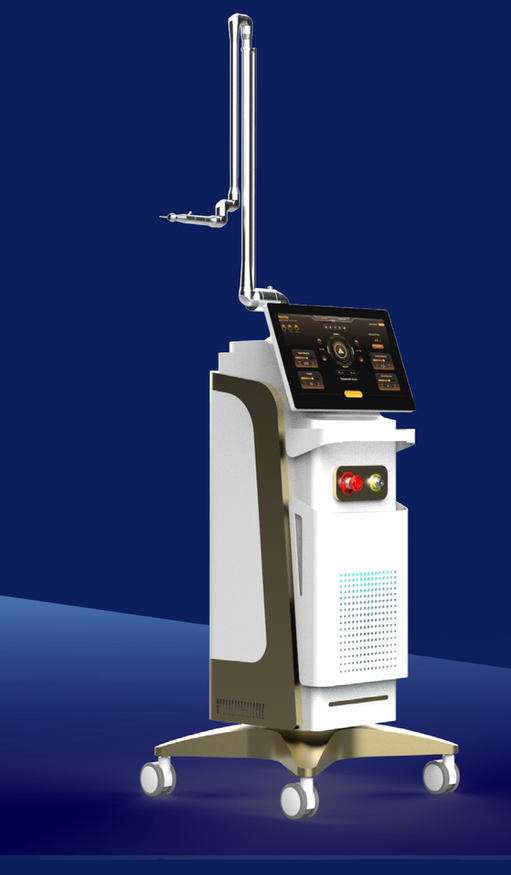
For a clinic introducing this service, the public Altolumen CO2 fractional laser range can establish what equipment category is available. It cannot replace a medical consultation or determine the correct recovery window.
Build Follow-Up Into the Appointment, Not After It
Before treatment: agree on the plan and the contact route
Use the consultation to discuss the likely range of visible changes, individual risk factors and the possibility of additional recovery time. Explain what the client should do if the expected course changes. Put the clinic’s contact number, out-of-hours arrangements and follow-up plan into the written instructions. The clinician should approve the exact aftercare protocol; administrative staff should not improvise skincare products or drug recommendations.
On treatment day: make the handoff clear
Before the person leaves, confirm they received the clinician-approved instructions, understand restrictions that apply to them and can identify the team responsible for questions. Record what was communicated and which clinician provided the advice. A verbal “you should be fine in a week” is much less useful than a documented plan that says healing varies and gives clear contact instructions.
During early recovery: make it easy to raise a concern
A planned check-in can be useful, particularly when the clinician considers the treatment more intensive or the patient has specific risk factors. The follow-up should ask about the course of recovery without trying to diagnose a complication over a standard marketing chat. New or worsening symptoms, signs of infection or concerning changes should be escalated promptly to the treating team according to its clinical protocol.
At review: distinguish skin healing from cosmetic results
Even when the initial skin surface has healed, color and texture changes may continue to evolve. A follow-up appointment should assess the outcome and the healing course, rather than imply that everything must look final on a preset day. Photos, if taken, require appropriate consent and controlled storage.
Two Conversations That Can Prevent Confusion
“Can I return to work after a few days?”
An appropriate response is: “The time people need away from work varies with the type and intensity of treatment and how their skin responds. Our clinician can explain what recovery is likely to involve after assessing you. We would not want you to plan around a guaranteed day.” This gives the client a useful next step without promising more than the clinic can know.
“I still look pink. Is that normal?”
The receptionist should not decide from a message or selfie whether the healing course is normal. They can confirm the treatment date, document the concern and arrange review by the treating team. Redness may persist beyond early skin healing in some cases, but a general article cannot distinguish an expected response from a problem for a particular patient.
Keep the Equipment Discussion in Its Proper Place
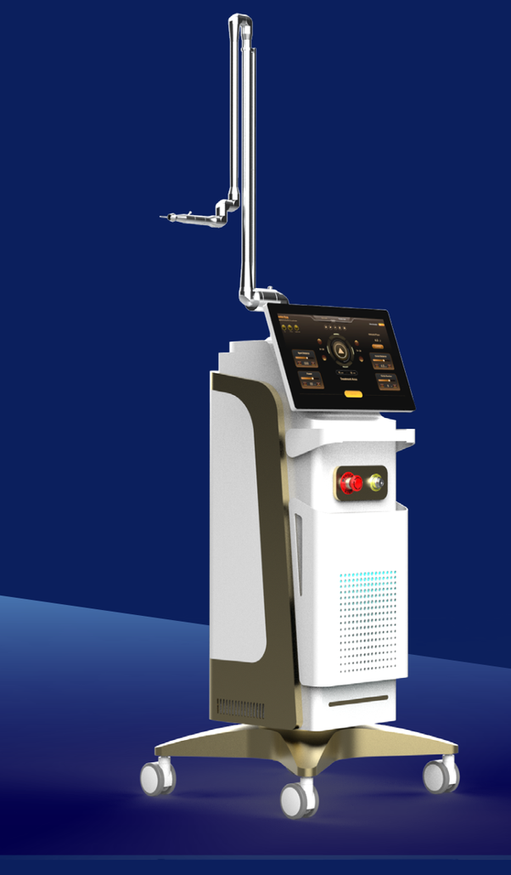
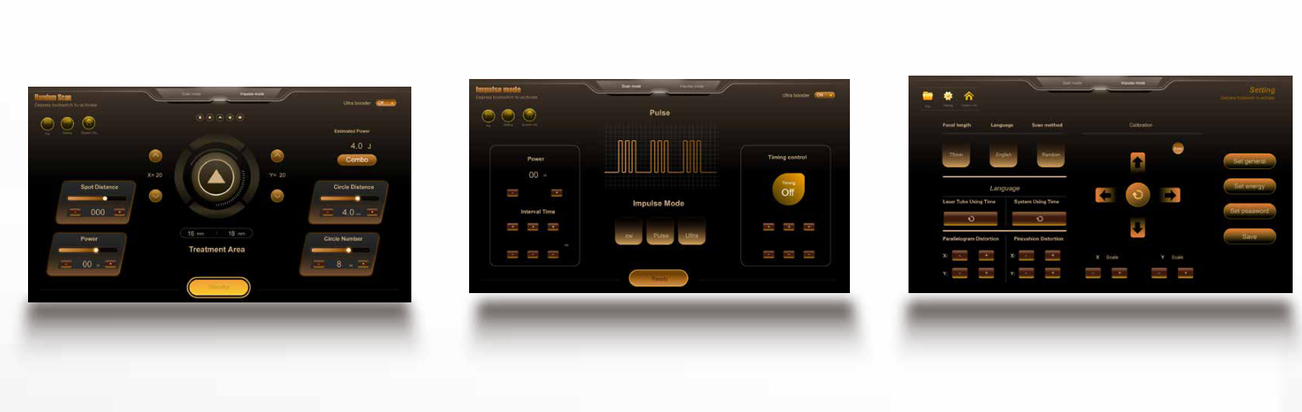
Altolumen’s ALN13 fractional CO2 product page describes a CO2 platform with fractional scanning and other treatment modes. Those capabilities matter for device training and the clinician’s choice of procedure. They do not, by themselves, determine a person’s healing time.
The clinic’s operating protocol should cover the exact equipment configuration, operator training, treatment documentation and safety requirements. Altolumen also describes equipment installation, training and maintenance within its after-sales service offering. Those are manufacturer support topics; patient-specific aftercare remains a clinical responsibility.
Before launching a new resurfacing service, the clinic should obtain current operator instructions for its purchased configuration, verify the applicable local rules and train the clinical and front-desk teams on who handles each kind of question. Device support and clinical follow-up are connected, but they are not interchangeable.
Często zadawane pytania
Is 7–10 days a guaranteed recovery time after fractional CO2 laser treatment?
No. It may be quoted as a general estimate for some treatments, but recovery varies by treatment intensity, individual skin response and clinical factors. Do not promise a fixed date to every client.
Can a receptionist tell a client when makeup can be used again?
Not from a generic online timeline. Staff should use the treating clinician’s instructions and refer individual questions back to the clinical team, particularly while the skin is still healing.
Should a clinic arrange the same follow-up schedule for every patient?
A consistent communication process is helpful, but follow-up timing and method should reflect the treatment performed, patient risk factors and the clinician’s judgement. The clinic should make the escalation route clear before discharge.
Does an ALN13 product specification predict downtime?
No. A device specification identifies equipment functions. It does not predict one patient’s healing response or replace the clinician’s assessment and aftercare plan.
What should staff do if a client reports worsening symptoms?
Document the concern and direct it promptly to the treating clinician or the clinic’s established urgent-care pathway. Avoid diagnosing or adjusting treatment instructions through a routine booking conversation.
The Takeaway for Clinic Teams
A good recovery discussion begins before a treatment is booked and continues after the client leaves. Confirm the person’s upcoming commitments, avoid fixed downtime promises, provide clinician-approved instructions and make follow-up easy to access. Clinics using Altolumen equipment can kontakt Altolumen for model documentation and equipment support; they remain responsible for arranging qualified clinical assessment and patient care.
Spis treści
Kategorie
Ostatnie posty
Fractional CO2 Laser Downtime: A Clinic Follow-Up Plan
How Cooling Works in a Diode Laser Hair Removal Machine
Diode Laser Machine Procurement From RFQ to Acceptance
Często zadawane pytania
1. Dlaczego warto nas wybrać?
2. Jaka jest metoda płatności?
3. Kiedy zostanie dostarczona przesyłka?
4. A co z gwarancją?
5. Jak wygląda kwestia dostawy?
6. Czy zapewniacie terminowe wsparcie techniczne?
Uzyskaj bezpłatną wycenę