
-
 autor
autor
- 28th sierpień 2026

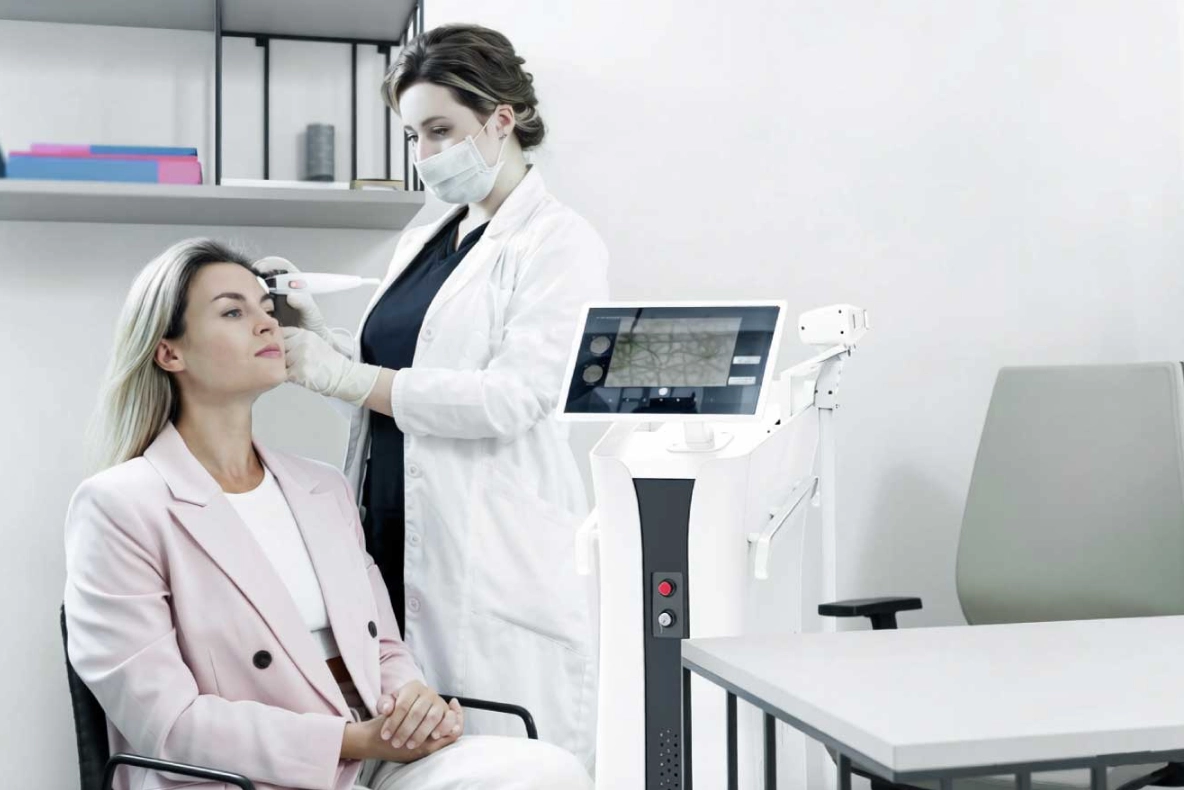
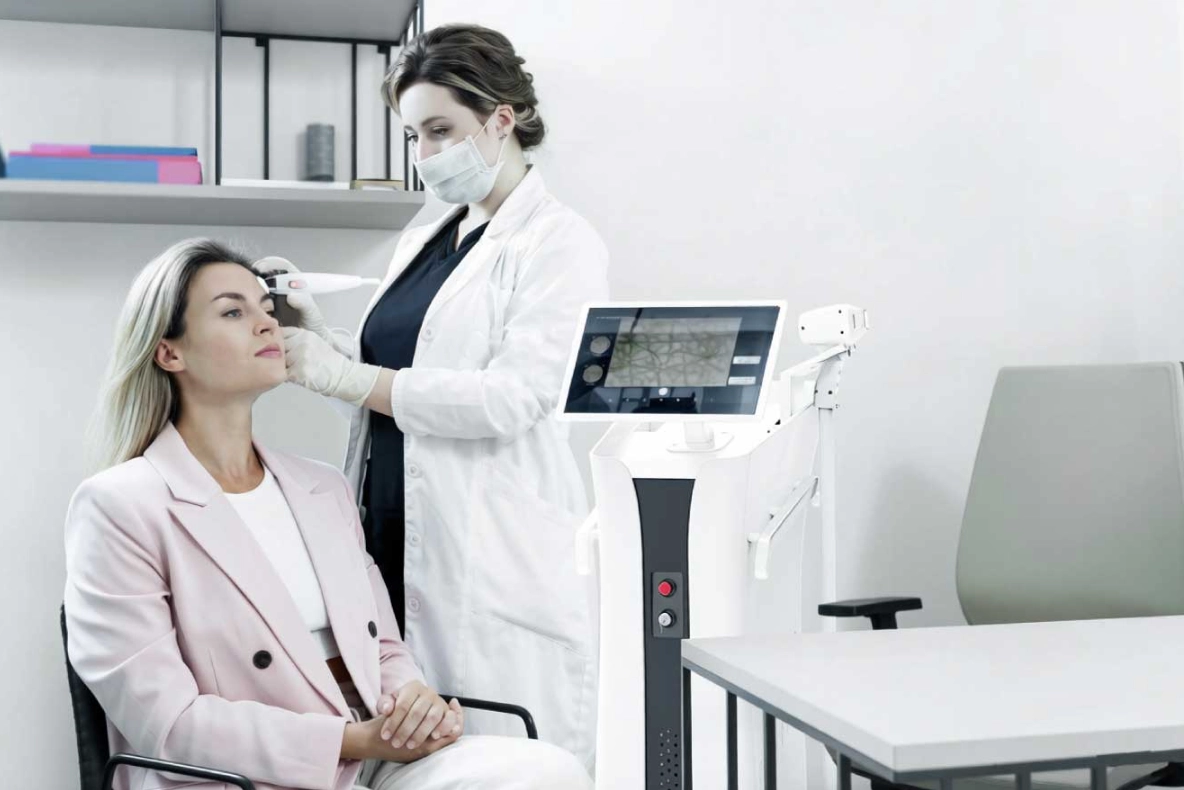
Kupowanie maszyna laserowa diodowa Nie jest to proste porównanie mocy, rozmiaru ekranu i ceny. Dwa systemy mogą wyglądać podobnie w wycenie, a zachowywać się zupełnie inaczej po czterech godzinach rozmów.
Istotne pytanie brzmi, czy urządzenie jest w stanie zapewnić stabilną terapię, dopasować się do miksu pacjenta, utrzymać niską temperaturę pod obciążeniem i pozostać sprawne po sprzedaży. To właśnie tutaj specyfikacja zaczyna mieć znaczenie – i często przestaje ona mówić wszystko.
1. Sprawdź, czy maszyna spełnia wymogi regulacyjne obowiązujące na Twoim rynku
Przed omówieniem projektu akcesoriów lub kosmetyków należy sprawdzić dokumentację wymaganą na rynku docelowym. Wymagania dotyczące CE/MDR, dokumentacji FDA, zarządzania jakością ISO 13485, bezpieczeństwa elektrycznego, kompatybilności elektromagnetycznej (EMC) i bezpieczeństwa lasera mogą mieć znaczenie w zależności od miejsca sprzedaży lub użytkowania urządzenia.
Logo na broszurze to za mało. Zapytaj o numery certyfikatów, zakres modelu, instytucję wydającą certyfikat oraz raporty z testów, jeśli dotyczy. Sprawdź, czy konkretny model lasera diodowego, którego dotyczy oferta, jest objęty gwarancją. Certyfikat dla innego modelu z tej samej fabryki to nie to samo.
Dla importerów ta kontrola powinna być przeprowadzona wcześnie. Luka w dokumentacji odkryta po produkcji jest kosztowna.
2. Porównaj długości fal, moc i parametry obróbki
Duża moc dobrze wygląda w prezentacji sprzedażowej, ale nie powinna sama w sobie decydować o decyzji. Konfiguracja długości fali, kontrola impulsów, stabilność energetyczna, częstotliwość i rozmiar plamki decydują o zachowaniu systemu podczas terapii.
Opcje długości fali
Długość fali 808 nm pozostaje powszechną długością fali stosowaną w depilacji diodowej. Platformy wielodługościowe może łączyć 755 nm, 808 nm, 940 nm i 1064 nm, aby zapewnić klinikom większą elastyczność w zakresie charakterystyki włosów, odcienia skóry i głębokości zabiegu.
Altolumen oferuje platformy diodowe w konfiguracjach 808 nm oraz w konfiguracjach wielodługościowych, w tym 755 / 808 / 940 / 1064 nm. Niektóre systemy są dostępne z mocą lasera od 500 W do 2400 W. Lepszy wybór zależy od bazy pacjentów kliniki. Mały salon może nie potrzebować takiej samej konfiguracji jak sieć zajmująca się szerszym zakresem typów skóry.
Inne parametry do porównania
Zwróć uwagę na czas trwania impulsu, częstotliwość, zakres energii, rozmiar plamki i interakcję tych ustawień. Laser diodowy dużej mocy z słabą kontrolą nie jest automatycznie maszyną wydajną.
Duże obszary, takie jak plecy i nogi, wymagają większego okna; mniejsze obszary wymagają lepszego dostępu i kontroli. Klinika, która przez cały dzień prowadzi mieszane wizyty, może uzyskać więcej korzyści z kilku użytecznych rozmiarów reflektorów niż z dodatkowych 200 W wymienionych w specyfikacji.
3. Ocena układu chłodzenia i stabilności pracy ciągłej
Chłodzenie nie jest funkcją zwiększającą komfort, dodawaną pod koniec konstrukcji. Ma ono wpływ na temperaturę rękojeści, tolerancję pacjenta, stabilność lasera oraz czas działania systemu bez problemów termicznych.
Wyobraź sobie sobotni harmonogram od 10:00 do 18:00. Maszyna może działać idealnie podczas dziesięciominutowej demonstracji, a po wielokrotnych przejściach o wysokiej częstotliwości zachowywać się inaczej. Zapytaj o układ obiegu wody, modułów TEC, wentylatorów, sprężarki lub innych elementów chłodzących. Zapytaj o testowanie pracy ciągłej.
Profesjonalną maszynę laserową diodową należy oceniać pod kątem obciążenia, a nie tylko podczas uruchamiania.
4. Sprawdź rozmiar plamki, konstrukcję rękojeści i łatwość obsługi
Operatorzy zauważają szczegóły, które czasami umykają zespołom zakupowym. Waga rękojeści. Sztywność kabla. Położenie przycisku. Szybkość zmiany parametrów w rękawiczkach.
Szczegóły stają się oczywiste po dwudziestym zabiegu.
Sprawdź rozmiary plamek, wyważenie rękojeści, reakcję ekranu, ustawienia wstępne i czy łatwo jest wykonać typowe regulacje. Altolumen's DL-808S Oferuje wiele rozmiarów plamek od 6 × 6 mm do 15 × 35 mm oraz 15,6-calowy interfejs dotykowy. Szybszy przepływ pracy może przynieść więcej praktycznych korzyści niż funkcja, która wygląda imponująco, ale jest rzadko używana.
5. Zapytaj, w jaki sposób producent testuje bezpieczeństwo i wydajność
Maszyna to tylko jeden z elementów zakupu. Proces produkcyjny również ma znaczenie.
Pytania, które kliniki powinny zadawać:
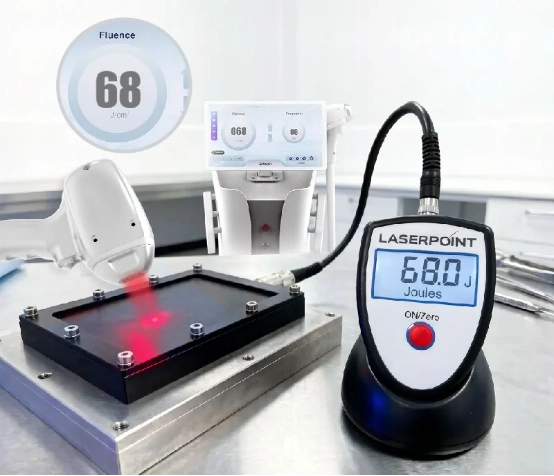
- Czy moc wyjściowa jest kalibrowana przed wysyłką?
- Czy kontrola temperatury jest testowana?
- Czy maszyny poddawane są testom starzenia lub ciągłej pracy?
- Czy przeprowadzono testy bezpieczeństwa elektrycznego i kompatybilności elektromagnetycznej?
- W jaki sposób przeprowadzane są kontrole komponentów?
- Czy każda jednostka jest testowana przed dostawą?
Proces produkcji i produkcji OEM firmy Altolumen obejmuje kalibrację, testy starzenia, testy EMC oraz kontrolę jakości urządzeń medycznych zgodnie z normą ISO 13485. Stwierdzenie „każda maszyna jest testowana” jest niejasne. Przydatna odpowiedź opisuje test, czas trwania, kryteria akceptacji i zapisy.
6. Spójrz poza cenę zakupu: sprawdź konserwację i naprawy posprzedażowe Wsparcie sprzedaży
Niska wycena może okazać się droga po awarii jednej końcówki.
Lista kontrolna kliniki:
- Okres gwarancji
- Czas reakcji pomocy technicznej
- Zdalne rozwiązywanie problemów
- Szkolenie operatorów
- Wskazówki dotyczące konserwacji
- Dostępność części zamiennych
- Proces naprawy
- Aktualizacje oprogramowania lub systemu
- Możliwości świadczenia usług lokalnych lub regionalnych
Usługi Altolumen obejmują szkolenia teoretyczne i praktyczne, regularną konserwację, modernizacje techniczne i naprawy. Zapytaj, co się stanie, jeśli maszyna przestanie emitować spaliny normalnie po sześciu miesiącach od instalacji. Jakość tej odpowiedzi często mówi więcej niż tytuł gwarancji.
7. W przypadku dystrybutorów i sieci klinik sprawdź możliwości OEM/ODM
W przypadku pojedynczej kliniki standardowa konfiguracja może być wystarczająca. W przypadku dystrybutorów, marek własnych i sieci klinik, możliwości OEM/ODM zmieniają sytuację.
Sprawdź, co można dostosować: obudowę, logo, interfejs, język, parametry obróbki, opakowanie, instrukcje obsługi i zachowanie oprogramowania. Następnie zapytaj, kto jest odpowiedzialny za prace inżynieryjne i jak testowane są zmodyfikowane jednostki przed produkcją.
Altolumen Obejmuje prace wewnętrzne w zakresie optoelektroniki, sprzętu, algorytmów oprogramowania, rozwoju prototypów, kalibracji, testów starzenia i produkcji OEM w małych partiach. Istnieje ogromna różnica między zmianą pliku logo a stworzeniem stabilnej platformy marek własnych.
8. Oblicz całkowitą wartość swojej kliniki, a nie tylko cenę sprzętu
Cena zakupu jest widoczna. Przestoje nie są widoczne – dopóki terminarz wizyt się nie zapełni.
Oszacuj szybkość zabiegu, dzienną objętość, koszty konserwacji, materiały eksploatacyjne, czas szkolenia, zakres gwarancji i prawdopodobne przerwy w działaniu. Nieco droższy laser diodowy może okazać się tańszym rozwiązaniem w ciągu trzech lat, jeśli będzie działał szybciej i mniej czasu spędzał poza siecią.
W przypadku klinik o dużym natężeniu ruchu, czas sprawności powinien być brany pod uwagę przy kalkulacji zwrotu z inwestycji. Podobnie jak czas pracy operatora. Oba te czynniki są rutynowo niedoceniane.
Ostateczna lista kontrolna przed zakupem urządzenia laserowego diodowego
Przed złożeniem zamówienia sprawdź:
- Dokumentacja regulacyjna
- Konfiguracja długości fali
- Moc lasera i parametry zabiegu
- Wydajność chłodzenia
- Rozmiary plamek i ergonomia rękojeści
- Procedury kontroli jakości i testowania
- Gwarancja i wsparcie techniczne
- Dostępność części zamiennych
- Wymagania OEM/ODM
- Całkowity koszt operacyjny
Klinika nie potrzebuje urządzenia z najdłuższą specyfikacją. Potrzebuje takiego, które będzie dostosowane do obciążenia pracą i będzie nadal dostępne za dwa lub trzy lata.
Kliniki i dystrybutorzy porównujący konfiguracje laserów diodowych mogą kontakt Altolumen aby omówić wymagania dotyczące długości fali, mocy, chłodzenia i dostosowania do potrzeb ich rynku docelowego.
Często zadawane pytania
Q: Jaką długość fali powinna wybrać klinika w przypadku lasera diodowego?
Długość fali 808 nm to powszechny wybór w przypadku ogólnej depilacji diodowej. Systemy wielodługościowe zapewniają większą elastyczność, gdy klinika zajmuje się szerszym spektrum odcieni skóry, rodzajów włosów i głębokości zabiegów. Użyteczna konfiguracja zależy od grupy pacjentów, a nie od liczby długości fal wymienionych w broszurze.
Q: Jak ważna jest moc lasera w przypadku lasera diodowego?
Moc ma znaczenie, ale tylko w połączeniu z dostarczaniem energii, szerokością impulsu, częstotliwością, chłodzeniem, rozmiarem plamki i stabilnością. Wyższa moc może zapewnić szybsze leczenie, jednak słabe zarządzanie temperaturą lub niestabilne wyjście mogą szybko zniweczyć tę przewagę.
Q: Czy kliniki powinny kupować urządzenia do laserów diodowych bezpośrednio od producenta?
Zakupy bezpośrednie mogą mieć sens, gdy klinika lub dystrybutor potrzebuje komunikacji technicznej, niestandardowej konfiguracji, marek własnych, planowania części zamiennych lub lepszej kontroli nad długoterminowym wsparciem technicznym. Dla nabywców OEM/ODM bezpośredni dostęp do inżynierii i produkcji jest szczególnie przydatny, ponieważ zmiany można ocenić przed rozpoczęciem produkcji masowej, a nie po dostawie.
Spis treści
Kategorie
Ostatnie posty
How to Compare CO2 Fractional Laser Machine Factories?

How Does an Nd:YAG Laser Hair Removal Machine Treat Dark Hair?
How Does a Picosecond Laser Tattoo Removal Machine Break Down Ink?
Często zadawane pytania
1. Dlaczego warto nas wybrać?
2. Jaka jest metoda płatności?
3. Kiedy zostanie dostarczona przesyłka?
4. A co z gwarancją?
5. Jak wygląda kwestia dostawy?
6. Czy zapewniacie terminowe wsparcie techniczne?
Uzyskaj bezpłatną wycenę