
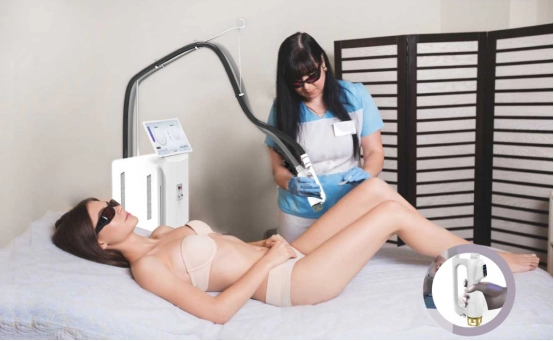
-
 autor
autor
- 21 de agosto de 2026

Uma clínica raramente trata a mesma combinação de pele e cabelo todos os dias. Um cliente pode ter pele clara com pelos grossos e pretos nas pernas. O próximo pode ter pele Fitzpatrick V e pelos faciais densos. Uma abordagem útil máquina de depilação a laser de diodo precisa lidar com ambas as situações sem depender de uma configuração fixa.
A melanina é o principal problema. O laser tem como alvo a melanina presente no pelo. A pele também contém melanina. Quando a pigmentação da pele aumenta, a faixa de segurança para o tratamento se torna mais estreita. O comprimento de onda é importante. A duração do pulso é importante. A fluência é importante. A taxa de repetição é importante. O resfriamento é importante.
Como funciona uma máquina de depilação a laser de diodo?
Um laser de diodo emite luz. A melanina presente na haste e no folículo capilar absorve essa luz. A luz se transforma em calor. Calor excessivo nas áreas de crescimento pode reduzir a produção futura de pelos.
Pouca energia resulta em aquecimento insuficiente. Muita energia cria problemas adicionais. Esse risco aumenta em peles pigmentadas, pois gera calor na camada externa da pele. Um aparelho profissional de depilação a laser de diodo oferece mais do que alta potência. É necessário controle sobre os pulsos. Sistemas de resfriamento ajudam. O tamanho do ponto é importante. A emissão constante de energia é fundamental. Pelos escuros e grossos geralmente respondem melhor. Pelos finos, grisalhos ou brancos levam a resultados menos previsíveis.
Por que diferentes tipos de pele precisam de configurações de laser diferentes?
A escala de Fitzpatrick oferece uma orientação. A pele real raramente se encaixa perfeitamente nos seis grupos. O que importa é a quantidade de pigmento na epiderme. A forma como a pele reage à luz e ao calor também é importante.
Um bom profissional analisa simultaneamente o tom de pele, o grau de bronzeamento, o diâmetro e a densidade do pelo, bem como a área a ser tratada.
Tipos de pele mais claros — Fitzpatrick I–III
A pele mais clara geralmente proporciona um contraste maior entre a epiderme e os pelos escuros, criando uma janela cirúrgica mais ampla.
Comprimentos de onda mais curtos podem ser úteis porque a absorção da melanina é relativamente forte. Pelos finos ou com pigmentação mais superficial podem responder bem quando a duração do pulso e a fluência são ajustadas corretamente.
Tipos de pele mais escura — Fitzpatrick IV–VI
Peles mais escuras absorvem mais energia do laser na superfície. Menos energia chega ao folículo. Comprimentos de onda mais longos costumam funcionar melhor, pois interagem menos com a melanina na superfície e atingem camadas mais profundas da pele.
A duração do pulso pode ser maior. A fluência geralmente permanece em níveis mais seguros. Um paciente com nível de condicionamento Fitzpatrick IV e bronzeado recente reage de forma diferente de um paciente sem bronzeado. A cor natural da pele pode permanecer semelhante.
Como diferentes comprimentos de onda tratam diferentes tipos de pele e cabelo?
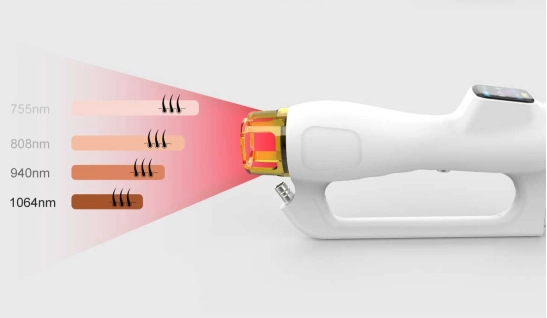
A escolha do comprimento de onda agrega valor real aos sistemas de diodos com múltiplos comprimentos de onda. Cada comprimento de onda altera o equilíbrio entre a absorção de melanina e a profundidade. Nenhum comprimento de onda único é adequado para todas as profundidades ou diâmetros de cabelo, ou tons de pele.
755 nm — Para peles mais claras e cabelos mais finos
A absorção de melanina em 755 nm é alta. Isso é benéfico para peles mais claras e cabelos finos e pigmentados. Em peles muito pigmentadas ou recentemente bronzeadas, a margem de segurança diminui. Resfriamento potente e configurações precisas tornam-se essenciais.
808 nm — O padrão versátil
O laser de diodo de 808 nm A gama de produtos é amplamente utilizada. Oferece um bom equilíbrio entre absorção e profundidade de penetração. Muitas clínicas a consideram sua principal ferramenta. Pernas, axilas, braços e costas podem ser tratados. Os resultados aparecem quando o pigmento do pelo é suficientemente forte e as configurações são bem escolhidas.
940 nm — O padrão versátil
É indicado para a remoção de pelos em pele bronzeada.
1064 nm — Maior profundidade para peles mais escuras
A absorção de melanina em 1064 nm diminui. A penetração atinge camadas mais profundas. Essas características são adequadas para peles mais escuras e folículos capilares mais profundos. Uma absorção menor exige uma abordagem energética diferente. O comprimento de onda mais longo é a ferramenta ideal apenas quando a pele e o cabelo apresentam o mesmo perfil.
Por que os sistemas de múltiplos comprimentos de onda são importantes
UM máquina de depilação a laser de diodo multi-comprimento de onda Pode combinar 755, 808, 940 e 1064 nm em uma única plataforma.
Isso é importante em clínicas que atendem populações mistas. Um distribuidor que vende para o Sudeste Asiático, Sul da Europa e Oriente Médio pode se deparar com distribuições de tipos de pele muito diferentes. Múltiplos comprimentos de onda oferecem aos operadores mais espaço de trabalho.
Que outros parâmetros mudam para diferentes tipos de pele?
O comprimento de onda recebe a maior parte da atenção, mas a qualidade do tratamento depende de várias configurações que funcionam em conjunto.
Energia / Fluência
A intensidade do feixe de luz deve ser alta o suficiente para aquecer o folículo sem causar estresse desnecessário à epiderme. Para peles mais escuras ou bronzeadas, a seleção de uma intensidade de luz mais conservadora é mais importante. Testes em pequenas áreas da pele continuam sendo úteis quando a exposição solar recente não é clara.
Duração do pulso
A duração do pulso altera a velocidade com que a energia é liberada. Cabelos grossos se comportam de maneira diferente de cabelos finos. Pulsos mais longos também podem distribuir a carga térmica de forma mais uniforme em peles mais escuras.
Freqüência
A taxa de repetição afeta a velocidade e a técnica do tratamento. A alta frequência é útil em áreas extensas, mas movimentos muito lentos podem causar acúmulo de calor, principalmente em peles pigmentadas.
Avaliação da pele e do cabelo
O tipo de pele precisa ser avaliado primeiro. A espessura, a cor, a densidade e a área do corpo onde o cabelo está localizado também precisam ser avaliadas. Análise de pele e cabelo podem tornar essa etapa consistente. As ferramentas se mostram úteis em clínicas com vários operadores.
Por que o resfriamento é importante no tratamento de diferentes tons de pele?
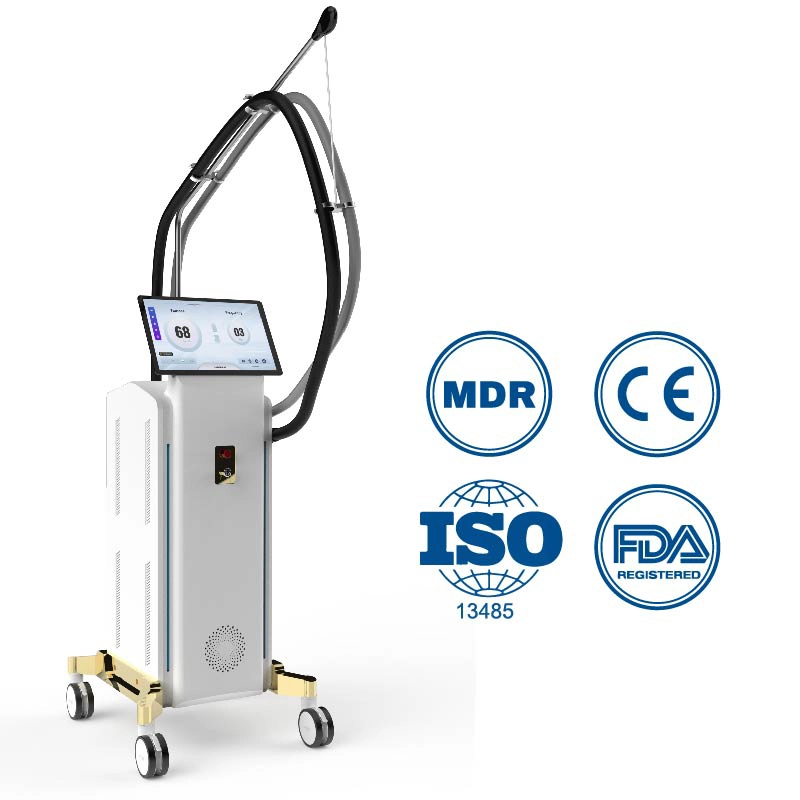
O resfriamento faz parte do sistema de tratamento, não é um acessório.
O resfriamento por contato remove o calor da epiderme enquanto a energia do laser continua em direção ao folículo. Isso melhora o conforto e dá ao operador maior controle sobre a temperatura da superfície.
A diferença torna-se óbvia durante sessões longas. Um aplicador que começa frio, mas aquece gradualmente após vinte minutos, altera as condições do tratamento.
Para compradores que comparam máquinas de depilação a laser de diodo, a estabilidade do resfriamento em operação contínua merece atenção, além da potência máxima.
O que as clínicas devem procurar em um laser de diodo para diversos tipos de pele?
Uma clínica que atende uma ampla base de clientes precisa de uma faixa de ajuste que vá além de uma única especificação impressionante. Recursos úteis incluem múltiplos comprimentos de onda. Fluência e largura de pulso ajustáveis são importantes. Taxas de repetição estáveis também são essenciais. Um resfriamento de contato potente é fundamental. Tamanhos de spot intercambiáveis são importantes. Predefinições claras também são úteis.
A facilidade de manutenção também é importante. Uma máquina pode ter um bom desempenho em um showroom, mas ainda assim gerar custos elevados posteriormente se as peças de mão, bombas, barras de laser ou componentes de refrigeração forem difíceis de substituir.
Para distribuidores e marcas próprias, a documentação regulamentar é importante. O suporte de treinamento é importante. A disponibilidade de peças de reposição é importante. As opções de personalização de software são importantes. As possibilidades de branding e a flexibilidade OEM/ODM aumentam o valor da plataforma.
Perguntas frequentes sobre depilação a laser de diodo e tipos de pele
P: Um aparelho de depilação a laser de diodo é adequado para pele escura?
Sim, quando o sistema oferece comprimentos de onda adequados. Parâmetros ajustáveis são necessários. Um sistema de resfriamento confiável é essencial. Um protocolo rigoroso deve ser seguido. Comprimentos de onda mais longos são geralmente preferíveis para fototipos de pele mais elevados, pois resultam em menor absorção de melanina pela epiderme.
P: Qual o comprimento de onda do laser de diodo mais indicado para diferentes tipos de pele?
Não existe um comprimento de onda ideal para todos os casos. O de 755 nm pode ser adequado para peles mais claras e pelos finos e pigmentados. O de 808 nm abrange muitos tratamentos comuns. O de 940 nm é indicado para a remoção de pelos em peles bronzeadas. Já o de 1064 nm costuma ser mais adequado para peles mais escuras e folículos mais profundos.
P: Um único aparelho de laser de diodo pode tratar todos os fototipos de pele de Fitzpatrick?
Um sistema de múltiplos comprimentos de onda pode abranger uma ampla gama de fototipos de pele Fitzpatrick. A avaliação continua sendo necessária. É preciso verificar o tom de pele, o grau de bronzeamento, o diâmetro do pelo e a área a ser tratada. A duração do pulso, a energia e o resfriamento influenciam os resultados.
Conclusão — Escolha uma plataforma de laser de diodo flexível
O melhor sistema de diodos nem sempre é o de maior potência. Não precisa ter a lista de recursos mais extensa. A plataforma certa oferece aos operadores controle suficiente para se adaptarem às diferenças reais de pele e cabelo.
Para clínicas, distribuidores e marcas próprias, a Altolumen oferece plataformas de laser de diodo multi-comprimento de onda com especificações configuráveis. Essas plataformas incluem sistemas de refrigeração. Estão disponíveis opções para análise de pele e cabelo. Suporte OEM/ODM Está disponível.
Procura uma máquina de depilação a laser de diodo para a sua clínica, empresa de distribuição ou linha de produtos de marca própria? Explore os sistemas de laser de diodo multi-comprimento de onda da Altolumen. Ou Entre em contato com nossa equipe. Para especificações de configuração OEM/ODM e orçamento.
Índice
Categorias
Postagens recentes
How to Compare CO2 Fractional Laser Machine Factories?
How Does an Nd:YAG Laser Hair Removal Machine Treat Dark Hair?
How Does a Picosecond Laser Tattoo Removal Machine Break Down Ink?
Perguntas frequentes
1. Por que nos escolher?
2. Qual é o método de pagamento?
3. Quando as mercadorias serão entregues?
4. E quanto à garantia?
5. E quanto à entrega?
6. Vocês oferecem suporte técnico em tempo hábil?
Solicite um orçamento gratuito